
What happens after the coating unit?
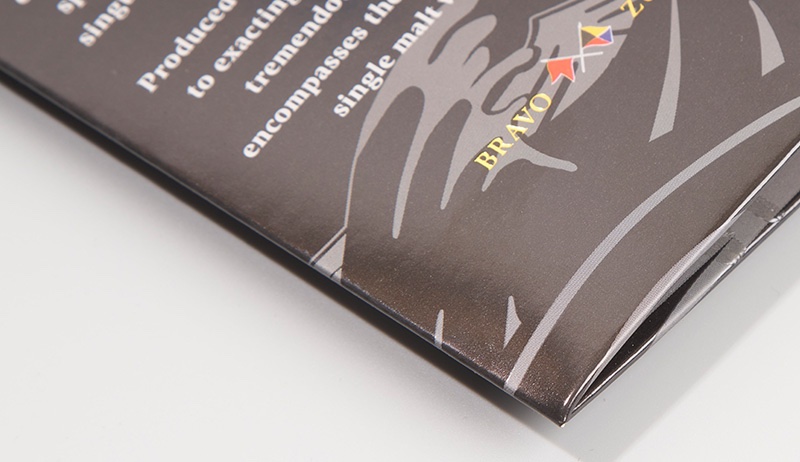
Choose the finish around the operations that follow it. LK1021 aqueous gloss OPV lists at least 35% solids, LK1033 provides a soft-touch coating option, and LK1043 is a UV matte varnish. Mark the areas that will be stacked, creased, foiled or glued, then compare those zones through the full converting sequence.
Which conditions belong in the trial record?
Record the approved appearance, printed stock, coating process, drying or lamp conditions and finishing sequence. LK1042 lists a 3H pencil-hardness benchmark, but that number alone does not approve a crease or glue flap. For LED-UV equipment, request compatibility for the specific grade and lamp before scheduling a production trial.
- The approved finish
- Describe the gloss, matte or tactile effect, printed stock and ink system. Include a reference sample if one is available.
- The coating line
- Identify the coater and dryer or UV lamp. For LED systems, include the lamp specification so suitability can be checked for the individual grade.
- The next operation
- List the stack time and finishing sequence. Mark where scuffing, sheet sticking, cracking or poor adhesion appears.
How should the trial be compared with current production?
Compare the trial sheet with the approved reference under the same viewing conditions, then inspect both after stacking and converting. LK1022 inline aqueous OPV lists 40±1% solids and 40±10 seconds with the cup method unspecified. Record drying and pile conditions before attributing blocking, scuffing or cracking solely to the coating grade.