
Technical guides
When an ink lifts, a sheet sticks or a carton opens, the failure leaves clues. Use these guides to decide what to inspect and which comparison to run next.
Print the material trial checklist →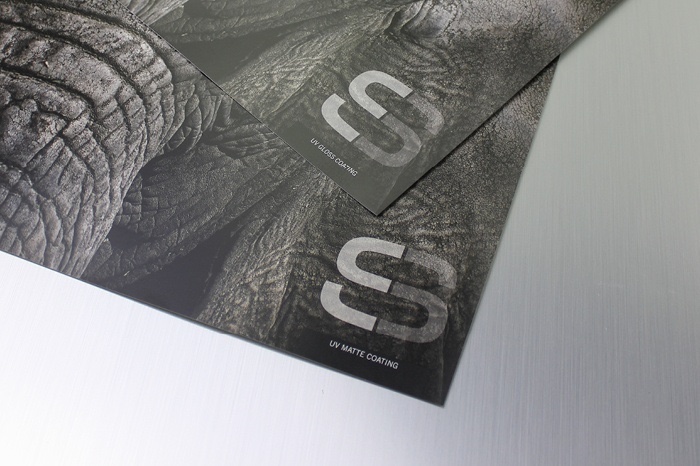
How do I qualify film adhesion and UV cure?
Start with the substrate treatment, printing process and curing equipment, then compare the candidate with an accepted control. LK1035 and LK1036 use Tu-4 readings at 25°C; LK1048, LK1049, LK1052 and LK1055 list mercury UV curing. LED suitability requires grade-specific confirmation, and a wetting check does not establish final adhesion.
Choosing water-based ink for film and labels
Compare water-based flexo and gravure inks for treated BOPP and PET. Separate wetting, drying and ink adhesion in a press trial.
Can UV ink be used with LED UV?
Check ink and lamp compatibility when moving from mercury UV to LED UV. Record wavelength, irradiance, dose and film thickness for the print trial.
How should I compare finishes and investigate blocking?
Evaluate the actual printed board, drying or curing setup, crease and glue flap together. LK1022 is an inline aqueous OPV; LK1033 supplies a soft-touch coating option; LK1042 lists 3H pencil hardness. These different properties need separate checks. Compare matched samples and record pile conditions before changing a coating or finish.
Water-based varnish vs UV varnish for folding cartons
Compare how aqueous and UV coatings set on printed board, then check rub, crease and glue-flap performance on a finished carton.
How to prevent blocking after aqueous coating
Diagnose water-based varnish sheets sticking in the pile. Compare print coverage, coat weight, dryer airflow and pile temperature on the same job.
Soft-touch coating vs soft-touch lamination
Compare tactile varnish and soft-touch film on the same printed carton. Check scuffing, creases, foil and the glue flap before approving a finish.
Where should I start when a seam opens or film peels?
Inspect both failure faces and preserve an unchanged control before replacing the adhesive. The folder-gluer series lists speeds up to 420 m/min; rigid-box grades list 55±2% solids; film-to-paper grades list a 48 h cure reference. Use each figure within its product family and qualify the actual substrate, application and conditioning.
Why do glued cartons pop open?
Trace folder-gluer bond failure on UV-coated or film-laminated cartons through the glue flap, compression section and separated seam.
Why do rigid boxes warp after gluing?
Identify the cause of rigid-box warping, wrap bubbles or lifted corners using matched panels, grain direction and flatness checks after conditioning.
Why does BOPP film peel from printed paper?
Investigate BOPP-to-paper lamination bubbles and delamination by tracing the failed layer, checking the treated film face and comparing matched peel samples.
Which substrate guide, test protocol or conversion tool do I need?
Use the substrate guides to define the material stack, then select the relevant quality checks and document the trial. Folder-gluer thermal benchmarks include −20°C and 60°C; rigid-box conditions differ. For viscosity, the converter preserves LK1035 and LK1036 Tu-4 specifications and limits estimates to supported cup ranges and known density.
UV-coated and laminated cartons
Map the two glue faces, compare cold-glue grades and inspect pop-open, transfer and contact.
Metallized and holographic board
Compare aqueous primers and UV drip-off routes on the actual metalized surface and printed stack.
Corona-treated BOPP and PET film
Match the ink or laminating material to the film, treatment, process and end use.
Soft-touch rigid boxes
Plan coating, film and rigid-box adhesive trials around the actual wrap and feeding method.
Quality testing benchmarks
Review fiber tear, thermal conditioning, nozzle cleaning and roller or disc application checks by product family.
Viscosity cup conversion
Compare Tu-4, DIN 4 and Zahn readings within supported ranges; add measured density for approximate mPa·s.