
UV inks & varnishes
Compare UV varnishes, black and transparent inks, white ink, CMYK and spot offset inks. Match the exact grade to the press, lamp and substrate; mercury UV and LED-UV compatibility must be checked separately.
Compare 17 grades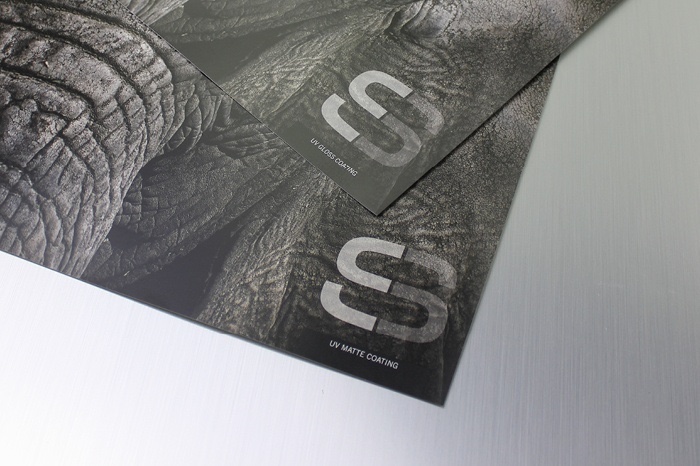
Which UV ink, varnish or primer matches the packaging operation?
Use LK1048/LK1049/LK1052/LK1055 for CMYK screening and the listed spot grades for solid-area color work. Compare LK1042 gloss with 3H hardness, LK1043 matte and LK1044 wear-resistant varnishes by the required test. LK1045 creates a reverse or drip-off effect only with an approved top varnish. Check the press, substrate and exact curing system together.
Specify the curing system
Mercury UV is stated for the process-color grades; LED-UV must be verified grade by grade. Send lamp type, wavelength, irradiance or dose where available, running speed and print coverage. Do not extend a curing statement from one ink family to every varnish or spot color.
Separate appearance from durability
Gloss, pencil hardness and rub resistance answer different questions. LK1042's 3H figure cannot replace LK1044's 1000-rub benchmark; neither establishes the other test. LK1043's matte range needs a confirmed gloss method and cured sample before it becomes a production acceptance target.
Match both layers of a drip-off effect
LK1045 is the reverse-effect / UV drip-off primer underlayer. The top varnish must be an approved partner in the system. Check print registration, the selected image areas, contrast and later converting; the supplied data does not define a universal topcoat or press recipe.
Which UV grade specifications can be compared before a press trial?
The 17 grades below show numeric values only where supplied. LK1042 is 1500±300 mPa·s with 3H pencil hardness; LK1043 is 1800±300 mPa·s with a stated matte gloss range; LK1044 is 2000±400 mPa·s with a 1000-rub benchmark. Missing values for offset colors require the current grade-specific TDS, not estimates from neighboring models.
| Grade | Solids | Viscosity | Key test benchmark | Target substrates | Application method |
|---|---|---|---|---|---|
| LK1040 UV General Black InkRequest TDS / sample | 100% | Not specified | Fineness ≤5 µm; adhesion 5B | Plastics, packaging, film, paper | UV printing; confirm press and lamp |
| LK1041 UV Transparent Color InkRequest TDS / sample | 100% | Not specified | Fineness ≤3 µm; gloss ≥90° as supplied | Electronic lenses, labels, films, acrylic | UV printing; confirm press and lamp |
| LK1042 UV High-Gloss VarnishRequest TDS / sample | 100% | 1500±300 mPa·s | Pencil hardness 3H | Prints, plastics, wood, paper | UV varnishing; confirm coating unit and lamp |
| LK1043 UV Matte VarnishRequest TDS / sample | 100% | 1800±300 mPa·s | Gloss 20–40° as supplied | Appliance housings, cosmetic packs, gift boxes | UV varnishing; confirm coating unit and lamp |
| LK1044 UV Wear-Resistant VarnishRequest TDS / sample | Not specified | 2000±400 mPa·s | No scratch after 1000 rubs; method not specified | Plastic housings, flooring, outdoor goods, packaging | UV varnishing; confirm coating unit and lamp |
| LK1045 High-Adhesion Reverse-Effect Primer / UV Drip-Off PrimerRequest TDS / sample | Not specified | Not specified | Matte/textured contrast with an approved top varnish | Coated paper, white board, metallized and holographic card | UV offset underlayer paired with approved top varnish |
| LK1046 UV Ink-Duct VarnishRequest TDS / sample | Not specified | Not specified | Spot/flood coating and registration; no numeric limit supplied | Tobacco, pharmaceutical, cosmetic and wine boxes | Validated UV offset ink-duct systems |
| LK1047 UV Curing White InkRequest TDS / sample | Not specified | Not specified | Opacity and stable transfer; no numeric opacity limit supplied | UV offset paper packaging | UV offset printing; confirm lamp |
| LK1048 UV Process Yellow InkRequest TDS / sample | Not specified | Not specified | CMYK process color; color target to be agreed | Tobacco, wine, cosmetic and brand packaging | UV offset; mercury UV, LED-UV subject to grade confirmation |
| LK1049 UV Process Magenta InkRequest TDS / sample | Not specified | Not specified | CMYK process color; color target to be agreed | Tobacco, wine, cosmetic and brand packaging | UV offset; mercury UV, LED-UV subject to grade confirmation |
| LK1050 UV Golden Red InkRequest TDS / sample | Not specified | Not specified | Solid-area color and spot-color mixing; color target to be agreed | Tobacco, wine, cosmetic and brand packaging | UV offset spot-color printing; confirm curing system |
| LK1051 UV Bright Red InkRequest TDS / sample | Not specified | Not specified | Solid-area color and spot-color mixing; color target to be agreed | Tobacco, wine, cosmetic and brand packaging | UV offset spot-color printing; confirm curing system |
| LK1052 UV Process Cyan InkRequest TDS / sample | Not specified | Not specified | CMYK process color; color target to be agreed | Tobacco, wine, cosmetic and brand packaging | UV offset; mercury UV, LED-UV subject to grade confirmation |
| LK1053 UV Brilliant Blue InkRequest TDS / sample | Not specified | Not specified | Solid-area color and spot-color mixing; color target to be agreed | Tobacco, wine, cosmetic and brand packaging | UV offset spot-color printing; confirm curing system |
| LK1054 UV Rich Blue InkRequest TDS / sample | Not specified | Not specified | Solid-area color and spot-color mixing; color target to be agreed | Tobacco, wine, cosmetic and brand packaging | UV offset spot-color printing; confirm curing system |
| LK1055 UV Process Black InkRequest TDS / sample | Not specified | Not specified | CMYK process color; color target to be agreed | Tobacco, wine, cosmetic and brand packaging | UV offset; mercury UV, LED-UV subject to grade confirmation |
| LK1056 UV Deep Black InkRequest TDS / sample | Not specified | Not specified | Solid-area color and spot-color mixing; color target to be agreed | Tobacco, wine, cosmetic and brand packaging | UV offset spot-color printing; confirm curing system |
100% solids is stated for LK1040, LK1041, LK1042 and LK1043 only; it is not silently extended to other UV grades. The supplied 5B, 3H, gloss and rub figures omit parts of their test methods. Confirm substrate, instrument or procedure, film weight and cure conditions before comparing them with a buyer specification.
Read grade-specific data and method limits
- LK1040: Source-stated characteristics: Opacity, cure response, rub resistance and adhesion. Qualitative claims require the applicable method and substrate trial.
- LK1041: Source-stated characteristics: Low yellowing, gloss, color appearance and weather resistance. Qualitative claims require the applicable method and substrate trial.
- LK1042: Source-stated characteristics: Gloss, hardness, scratch resistance and cure response. Qualitative claims require the applicable method and substrate trial.
- LK1043: Source-stated characteristics: Uniform matte appearance, fingerprint and scratch resistance, and low odor. Qualitative claims require the applicable method and substrate trial.
- LK1044: Source-stated characteristics: Wear, alcohol and chemical resistance, with adhesion. Qualitative claims require the applicable method and substrate trial.
- LK1045: Confirm the primer/top-varnish pair and press sequence; the primer alone does not establish the finished contrast. Source-stated characteristics: Matte/textured-to-gloss contrast with fine-line registration using an approved top varnish. Qualitative claims require the applicable method and substrate trial.
- LK1046: Source-stated characteristics: Spot/flood coating, registration, leveling and surface resistance. Qualitative claims require the applicable method and substrate trial.
- LK1047: Source-stated characteristics: Whiteness, opacity, stable transfer, overprint and dot reproduction. Qualitative claims require the applicable method and substrate trial.
- LK1048: No numerical viscosity, solids, density or color-tolerance specification was supplied for this grade.
- LK1049: No numerical viscosity, solids, density or color-tolerance specification was supplied for this grade.
- LK1050: No numerical viscosity, solids, density or color-tolerance specification was supplied for this grade.
- LK1051: No numerical viscosity, solids, density or color-tolerance specification was supplied for this grade.
- LK1052: No numerical viscosity, solids, density or color-tolerance specification was supplied for this grade.
- LK1053: No numerical viscosity, solids, density or color-tolerance specification was supplied for this grade.
- LK1054: No numerical viscosity, solids, density or color-tolerance specification was supplied for this grade.
- LK1055: No numerical viscosity, solids, density or color-tolerance specification was supplied for this grade.
- LK1056: No numerical viscosity, solids, density or color-tolerance specification was supplied for this grade.
What should be checked when UV cure, adhesion or drip-off contrast is inconsistent?
Start with the exact grade, substrate and lamp settings. LK1045 needs a matched top varnish; LK1040's 5B adhesion figure does not cover every film; LK1042's 3H hardness depends on the trial conditions. Record the failure and curing setup, then test the possible causes below before changing the material or press speed.
| Production defect | Possible root cause | Recommended grade & process checks |
|---|---|---|
| Incomplete cure or tack | Lamp/grade mismatch, insufficient delivered energy, coverage or an unsuitable film thickness may contribute. | Check the exact grade's curing specification. For LK1048/LK1049/LK1052/LK1055, do not assume LED-UV compatibility from mercury-UV suitability. Confirm the press setup with the technical team. |
| Weak drip-off / reverse-effect contrast | An incompatible primer/top varnish pair, coverage, registration or curing sequence may be responsible. | Use LK1045 with an approved top varnish and validate the specified press sequence. Compare contrast on the intended coated, metallized or holographic stock. |
| Ink or varnish adhesion failure | Surface contamination, treatment, material mismatch or insufficient cure may contribute. | For LK1040, reproduce an agreed adhesion method on the actual surface; a stated 5B result alone does not verify the new substrate. Review cleaning/treatment and cure conditions. |
| Rub or scratch target missed | Test load, medium, film thickness, cure or substrate may differ from the source benchmark. | Compare LK1044 using an agreed 1000-rub procedure, or LK1042 using a confirmed pencil-hardness method. Record the actual load and failure criterion; do not substitute one result for the other. |
| Variable matte or registered spot finish | Film transfer, viscosity, stock or cure conditions may vary; registration can also change the perceived finish. | For LK1043 matte varnish or LK1046 ink-duct varnish, verify the intended application system. Keep the measurement method and cured sample conditioning consistent while screening settings. |
Which substrates and process details should be sent for UV selection?
Provide the actual stock, the press and lamp setup, the required color or finish, and the post-print operations. LK1045 trials need both primer and approved top varnish; LK1047 trials need the white-opacity target. When assessing LK1042 against 3H hardness, include coating weight, line speed and the agreed test method so results can be compared.
Which UV compatibility and test questions need a grade-specific answer?
Lamp compatibility, top-varnish pairing and test methods need confirmation for each grade. The supplied benchmarks include LK1040 adhesion 5B, LK1042 hardness 3H and LK1044 no scratch after 1000 rubs. They describe different properties under incompletely specified conditions. Use the questions below to request the missing method and build a comparable press trial.
Are all UV offset inks compatible with LED-UV lamps?
No universal LED-UV compatibility is stated. LK1048, LK1049, LK1052 and LK1055 are CMYK grades for mercury UV curing; LED-UV suitability must be verified by grade. Provide lamp wavelength, irradiance, dose, line speed and substrate so the selected ink and curing setup can be checked together.
Which UV varnish should be screened for hardness or rub resistance?
LK1042 states pencil hardness 3H and viscosity 1500±300 mPa·s. LK1044 states no scratch after 1000 rubs and viscosity 2000±400 mPa·s. These are different benchmarks, not interchangeable wear ratings. Confirm the substrate, film thickness, cure conditions, rubbing medium, load and test procedure before setting an acceptance limit.
How does LK1045 create a UV drip-off or reverse effect?
LK1045 is a UV offset underlayer used with an approved top varnish to create matte or textured contrast against gloss areas. Its stated substrates include coated paper, white board, metallized and holographic card. Confirm the matched primer/varnish pair, coverage, registration and curing sequence on a press trial.
Does the 5B adhesion figure apply to every plastic film?
LK1040 lists adhesion 5B and fineness ≤5 µm, but the supplied figure does not identify the test method, film treatment or cure conditions. It therefore does not establish adhesion on every plastic. Check the exact substrate, surface preparation, ink film and lamp setup using an agreed adhesion test.
Can UV ink-duct varnish replace a separate coating-unit varnish?
LK1046 is intended for spot or flood coating in validated UV offset ink-duct systems. That use does not establish compatibility with every coating unit or press configuration. Supply the press, ink train, substrate, coverage and curing setup; compare a registered print trial with the intended finish and converting steps.
How should CMYK and spot colors be specified for a packaging trial?
Identify LK1048 yellow, LK1049 magenta, LK1052 cyan and LK1055 black for process-color work. The spot group includes LK1050, LK1051, LK1053, LK1054 and LK1056. Send a physical or agreed color reference, stock, print sequence and target tolerance; published model names do not provide a numerical color-match guarantee.
Typical/source-stated values support initial screening. They are not certifications or warranties. Confirm the latest TDS/SDS, test methods and the complete substrate/process trial before production. Packaging options: 20 kg pail, 50 kg drum and 1000 kg IBC tote.